PROCEED PDT 3 - PDP 3
CD transport + DAC
Code: 63072816
All our products are covered by Italian warranty.
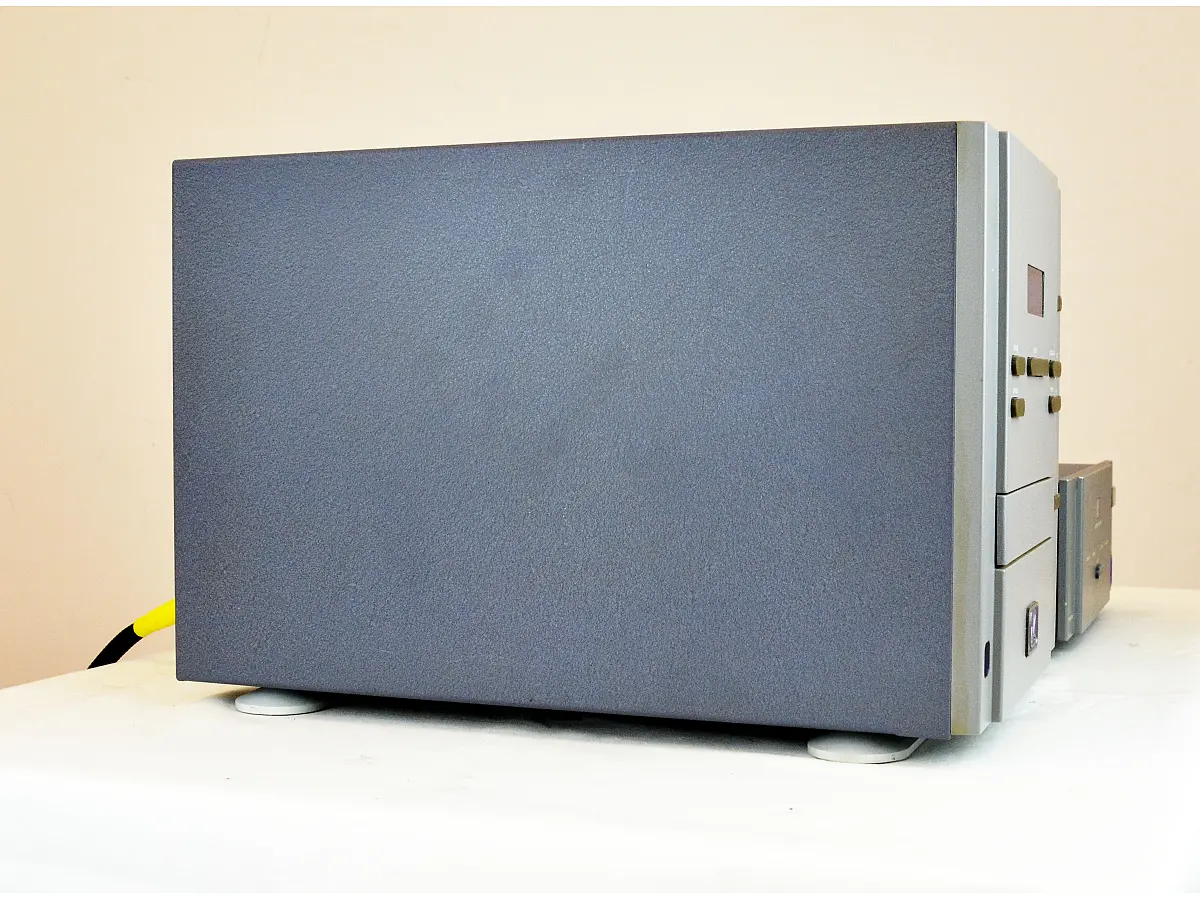
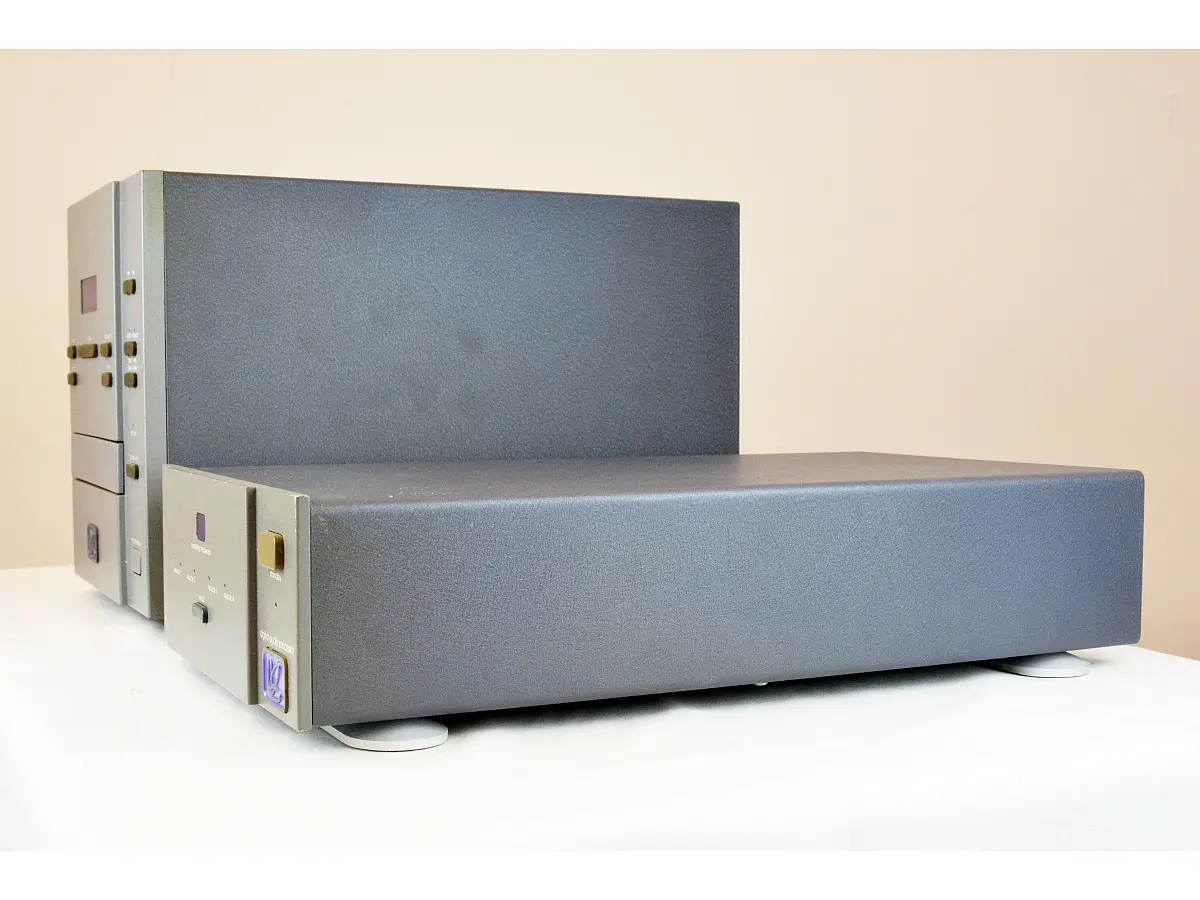
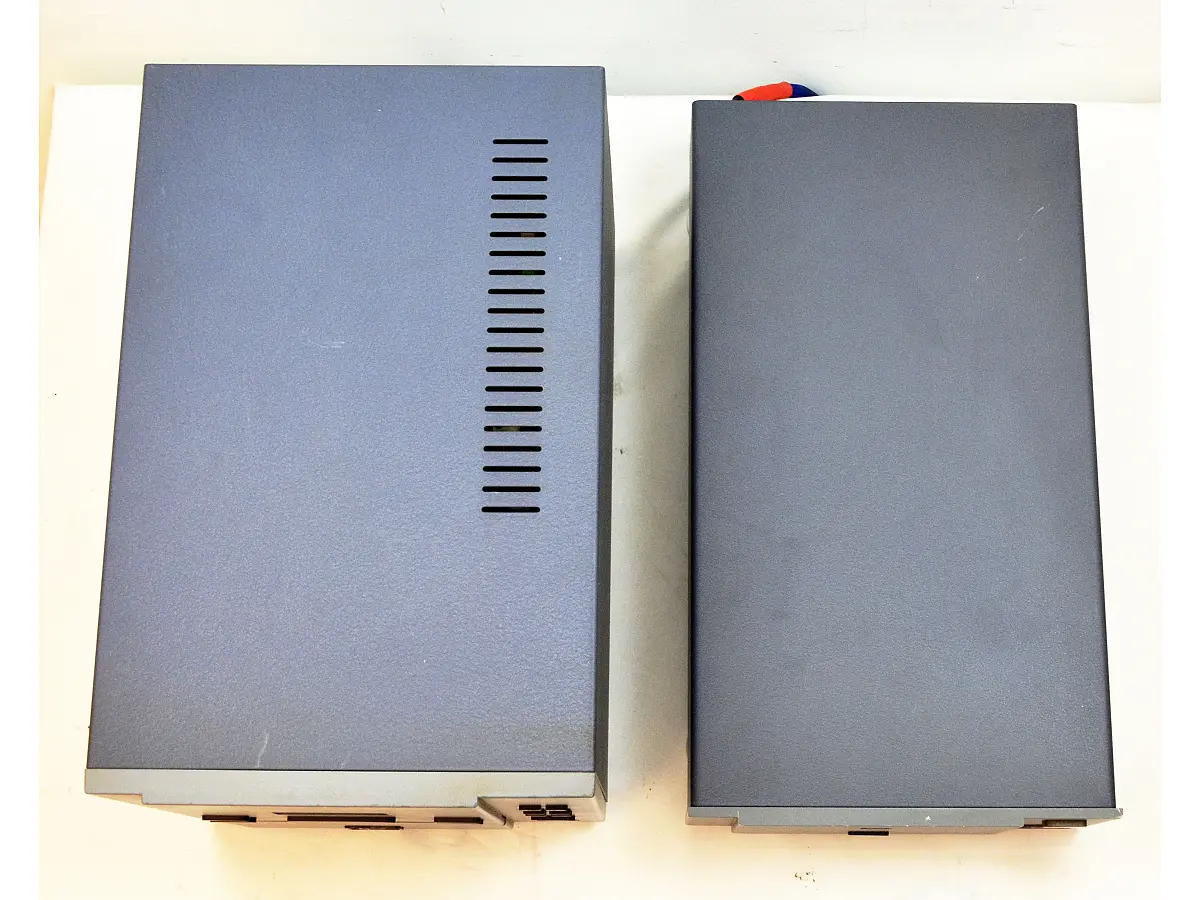
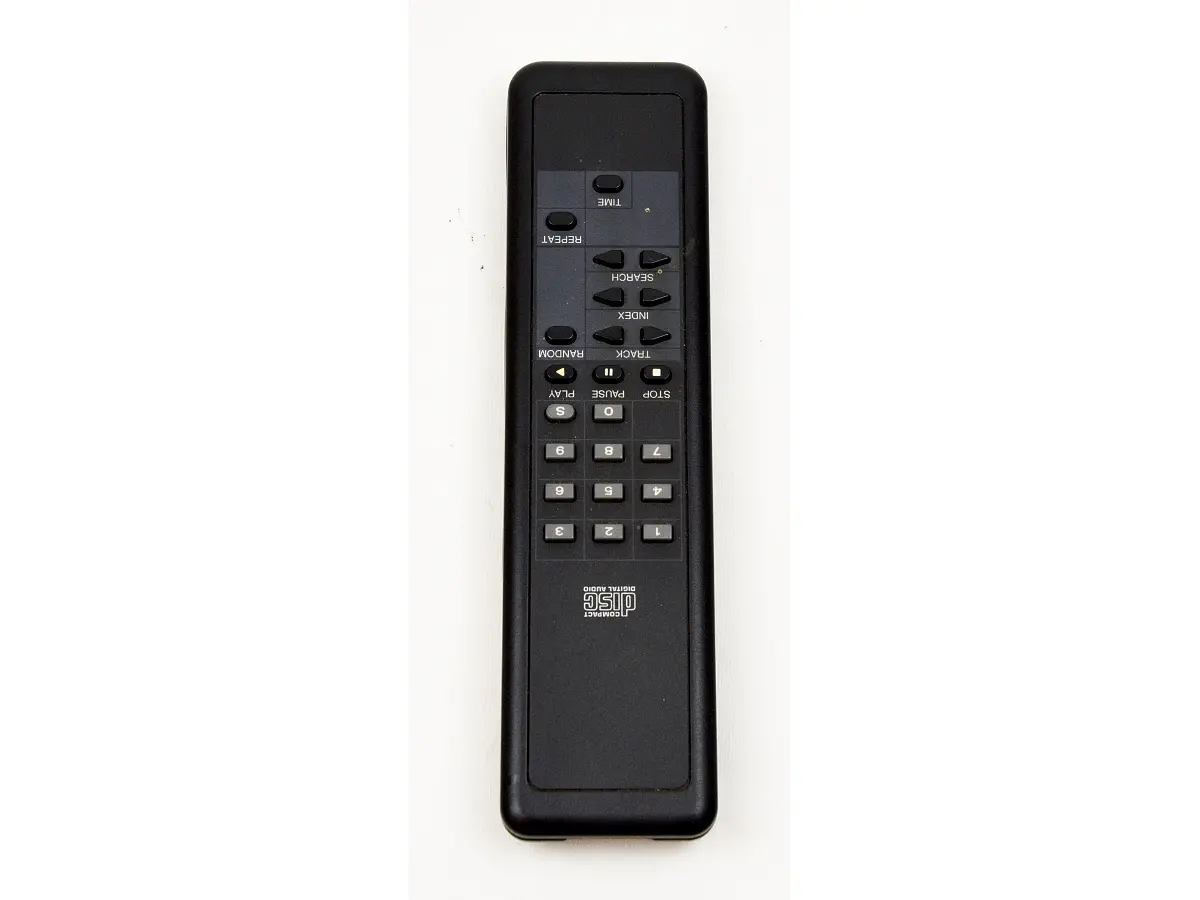
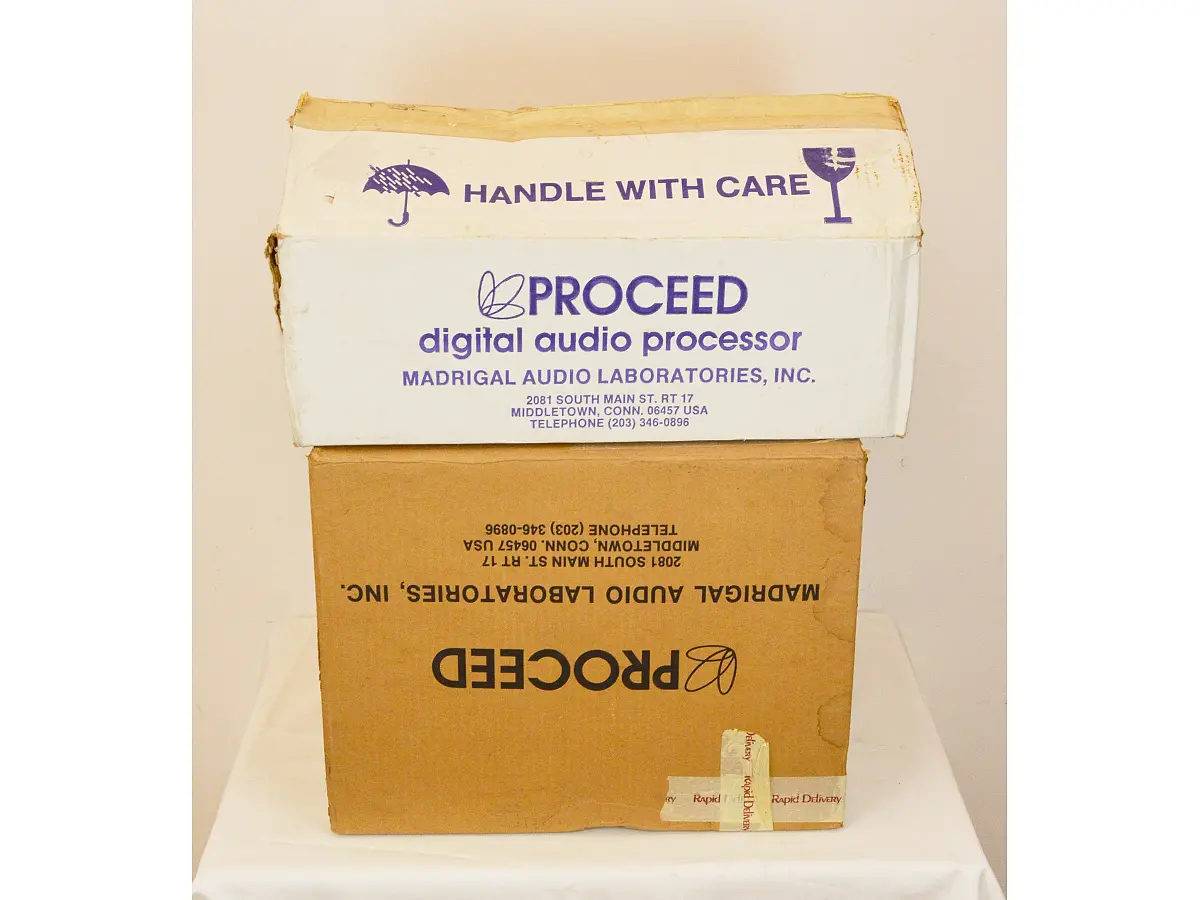
Used. In fair condition. Shows several signs of wear, particularly on the corners and edges, also visible in the photos. With remote control, not supplied with the original packaging.
950€ for each electronics
Proceed PDT-3
CD transport developed by Madrigal under the Proceed brand, introduced in 1989 with the aim of offering electronics at a lower price than the Mark Levinson range. The model belongs to the third and final generation of the project and is distinguished by its professional-oriented construction and a configuration designed for accurate retrieval of digital data.
The transport mechanism is the Philips CDM1 Mk2 with swing-arm mechanism, a solution that distinguishes the PDT-3 from the more common linear mechanisms. The reading assembly is combined with a digital section based on the Philips SAA7210 and SAA7220 circuits, the latter being used in part for error-correction functions. Madrigal also modifies these components to obtain a cleaner RF "eye pattern", considering the quality of the radio-frequency signal an important factor in the accurate retrieval of data from the disc. According to the manufacturer, temperature variations can also affect the eye pattern and, consequently, reading stability.
The power supply is designed with consideration for the interaction between the servo mechanisms and the power-supply circuits, which Madrigal considers an important factor in the overall behaviour of a CD transport. The PDT-3 therefore uses eleven distributed power supplies, each regulated close to the circuits it feeds, with the aim of reducing interactions between the different sections of the unit and maintaining stable power for the digital circuits and the transport mechanism.
The CDM1 Mk2 mechanism contributes to the particular operating characteristics of the PDT-3, which is described in the reported tests as being very quiet during playback and track-search operations. Track selection is fast, while the fast-forward and rewind functions are also responsive, with no significant mechanical noise. The transport is also described as accurate, fast in handling transients and capable of good dynamics. Compared with the Philips CDM1 Mk2, the design therefore aims not only to retain the fluidity associated with this type of mechanism, but also to provide a more controlled and measured response.
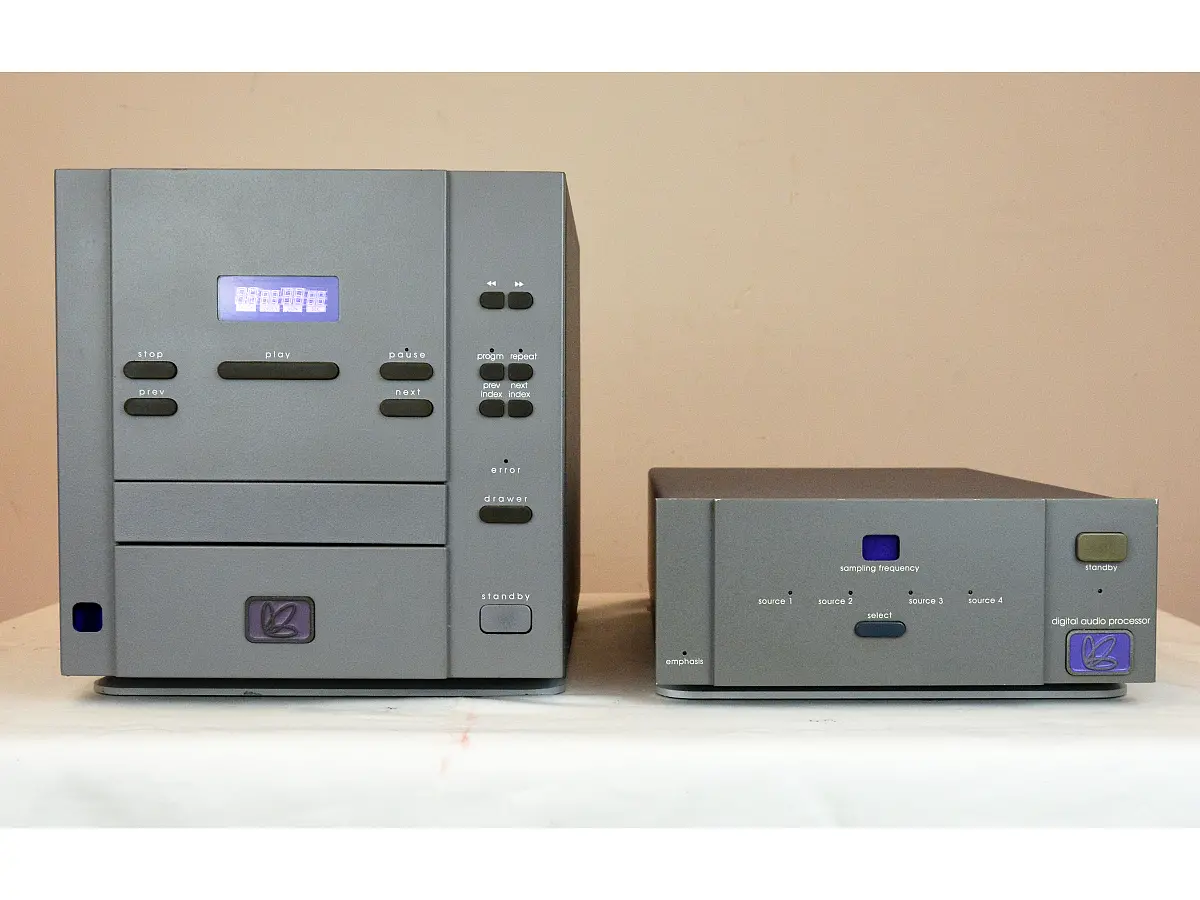
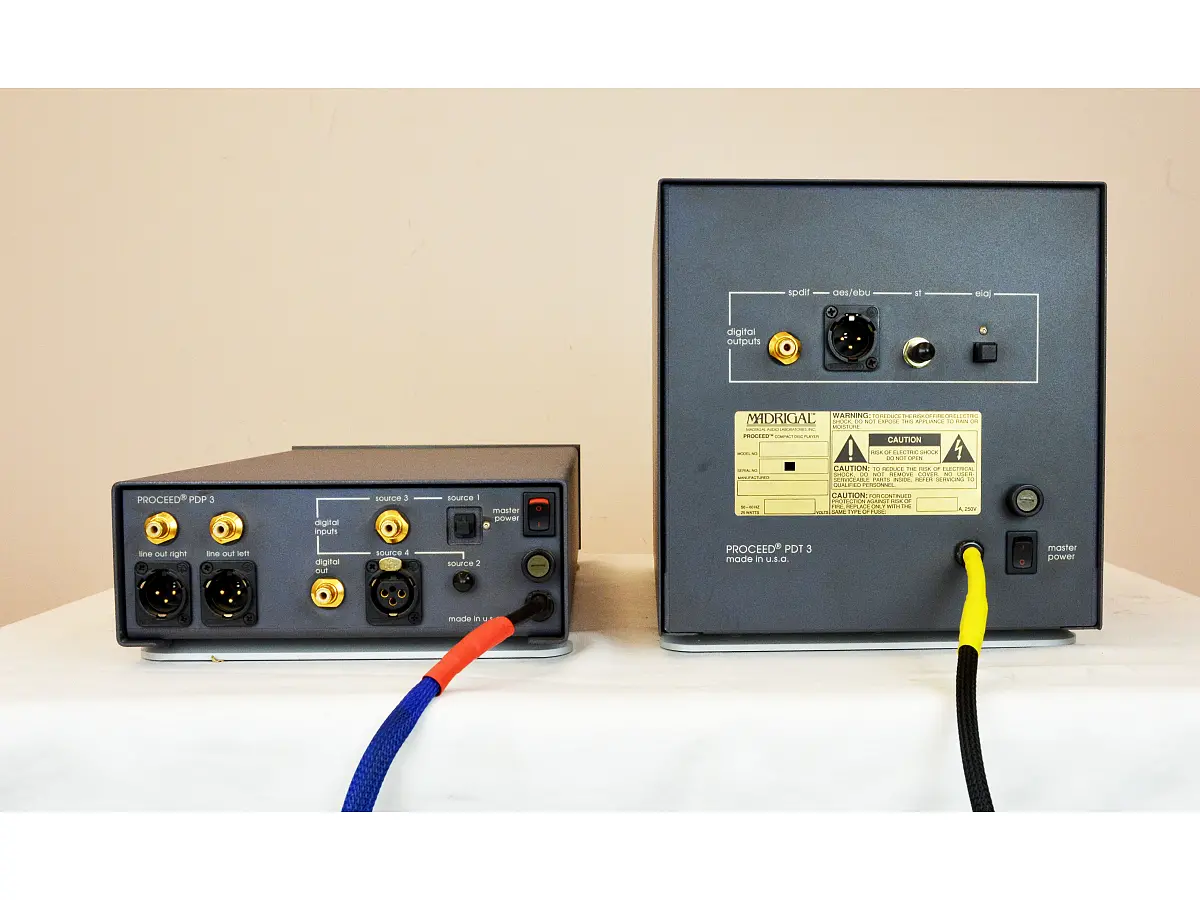
The rear panel provides both balanced and unbalanced connections, while the front-panel controls use membrane buttons designed for direct operation. The chassis adopts dimensions and proportions that differ from the more common aesthetic approach of digital electronics of the period, with a technical design intended for integration into high-end audio systems.
The PDT-3 also correctly handles the de-emphasis function used on certain CDs and supports gapless playback, maintaining continuity between consecutive tracks when this is included in the recording.
Proceed PDP-3
Digital-to-analog converter developed by Madrigal Audio Laboratories for the Proceed brand and designed as a separate unit from the CD transport. The design belongs to the generation of digital electronics developed by Madrigal in the early 1990s and maintains a clear separation between the digital section, D/A conversion, power supply and analog circuits. The model is also designed to be used together with the Proceed PDT-3 transport, forming a digital source consisting of two separate units.
The conversion section uses two 20-bit Burr-Brown PCM63P-K DACs, one for each channel, belonging to the first generation of PCM63 converters used by Proceed. The PDP-3 therefore replaces the 18-bit PCM58P converters used in the previous PDP and PDP-2 models with the newer 20-bit PCM63 devices. The PCM63P-K is a multibit converter based on an R-2R ladder architecture, used in a dual-mono configuration for the two channels, with an analog section designed to maintain separation between the signal paths.
The digital signal path also includes an interface and receiver circuit designed by Madrigal to process the digital signal waveform before conversion. The PDP-3 accepts four different digital sources: one TOSLINK optical input, one ST optical input, one RCA coaxial input and one balanced XLR input according to the AES/EBU standard. The selected signal is identified by the internal circuitry and the sampling frequency is displayed on the front panel. The display indicates 32 kHz, 44 kHz or 48 kHz according to the connected digital source.
The digital interface circuit does not simply select the source, but also processes the signal waveform before conversion. Documentation relating to the Proceed platform describes the use of a DAS interface with a pulse transformer and dedicated receiver circuit, developed to reduce alterations introduced during transmission and provide the converter with an appropriately reconstructed signal. The PDP-3 digital output can also provide the signal after it has passed through this interface circuit, rather than simply repeating the signal received at the input.
The physical architecture follows the same approach adopted by Madrigal in the Proceed digital electronics of the period. The chassis uses a heavy and rigid construction, with particular attention paid to the arrangement of the circuit boards and the separation of the different circuit sections. Contemporary sources emphasise that circuit positioning, thermal management and the reduction of wiring paths were considered integral parts of the design rather than merely constructional details.
The front panel maintains a straightforward layout. A small numerical display in the centre indicates the sampling frequency of the selected digital signal, alongside indicators for the four sources and the pre-emphasis function. A single control allows the digital inputs to be selected sequentially, while the standby button activates the processor while keeping the main power condition separate. The emphasis indicator signals the detection of pre-emphasis in the digital recording and the activation of the corresponding de-emphasis circuit.
The rear panel provides one balanced analog output on XLR and one unbalanced analog output, together with one coaxial digital output. The balanced analog output allows the PDP-3 to be connected directly to a preamplifier or amplifier equipped with XLR inputs, while the digital output allows the signal processed by the interface circuit to be used with another digital processor. The four inputs cover the main digital interfaces used at the time, including both optical and electrical connections and the balanced AES/EBU connection.
The analog section derives from Madrigal's experience in designing Mark Levinson amplifiers and is kept separate from the digital section. The circuit configuration and the availability of both balanced and unbalanced outputs allow the PDP-3 to be integrated into different system configurations, providing the option of selecting the connection type best suited to the downstream electronics.
The PDP-3 can therefore be used with the Proceed PDT-3, while its four digital inputs also allow it to be used with other sources, such as CD players equipped with digital outputs, digital tuners and DAT recorders. Input selection is performed directly from the front panel, while the display provides an immediate indication of the sampling frequency recognised by the processor.
The combination of the two PCM63P-K DACs, the proprietary digital interface, the separate analog section and the mechanical construction designed to reduce interactions between the circuits places the PDP-3 within the generation of multibit D/A converters based on dedicated components and circuits, preceding the widespread adoption of single-bit architectures. The use of 20-bit PCM63 converters also represents the main technical update over the previous PDP and PDP-2 models, which use 18-bit PCM58P converters.
Technical specifications – Proceed PDT-3:
- Frequency response: 10 Hz – 20 kHz (+0 dB; -0.2 dB)
- Total harmonic distortion (THD): 0.004% at 1 kHz, 0 dB
- Dynamic range: 104 dB or better
- Signal-to-noise ratio: 107 dB
- Channel separation: 120 dB
- Intermodulation distortion (SMPTE IMD): 0.008%
- Digital-to-analog conversion: 2 precision 20-bit DACs
- Digital filter: 8× oversampling
- Analog filter: linear phase up to 40 kHz
- Low-level linearity: deviation unmeasurable down to -70 dB; approximately +1.0 dB below -90 dB (undithered, reference 0 dB at 1 kHz)
- Output impedance: <1 Ω
- Dimensions: 214 × 227 × 337 mm (W × H × D)
- Weight: 12.24 kg
Technical specifications – Proceed PDP-3:
- Type: digital audio processor / D/A converter
- D/A conversion: 2 precision 20-bit DACs
- Digital filter: 8× oversampling
- Analog filter: linear phase up to 40 kHz
- Digital inputs: 1 × RCA coaxial; 1 × TOSLINK optical; 1 × ST optical; 1 × XLR AES/EBU
- Digital outputs: 1 × RCA coaxial
- Analog outputs: 1 × RCA; 1 × balanced XLR
- Sampling frequencies: 32 kHz; 44.1 kHz; 48 kHz
- Frequency response: 10 Hz – 20 kHz (+0 dB; -0.2 dB)
- Total harmonic distortion (THD): 0.004% at 1 kHz, 0 dB
- Intermodulation distortion (SMPTE IMD): 0.008%
- Dynamic range: 104 dB or better
- Signal-to-noise ratio: 107 dB
- Channel separation: 120 dB
- Low-level linearity: deviation unmeasurable down to -70 dB; approximately +1.0 dB below -90 dB (undithered, reference 0 dB at 1 kHz)
- Output impedance: <1 Ω
- De-emphasis: automatic circuit with pre-emphasis detection
- Input selection: 4 digital sources selectable from the front panel
- Display: sampling frequency and source-selection indicators
- XLR output: balanced; pin 1 ground; pin 2 signal +; pin 3 signal -
- Digital XLR input: DAS (Digital Audio Standard)
- Dimensions: 213 × 90 × 400 mm (W × H × D)
- Weight: 7.6 kg
Potrebbe interessarti anche
Audio Analogue AUDIO ANALOGUE AA DRIVE